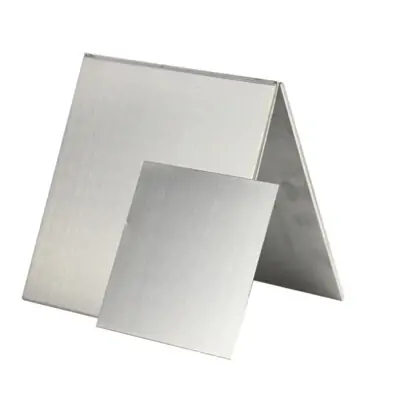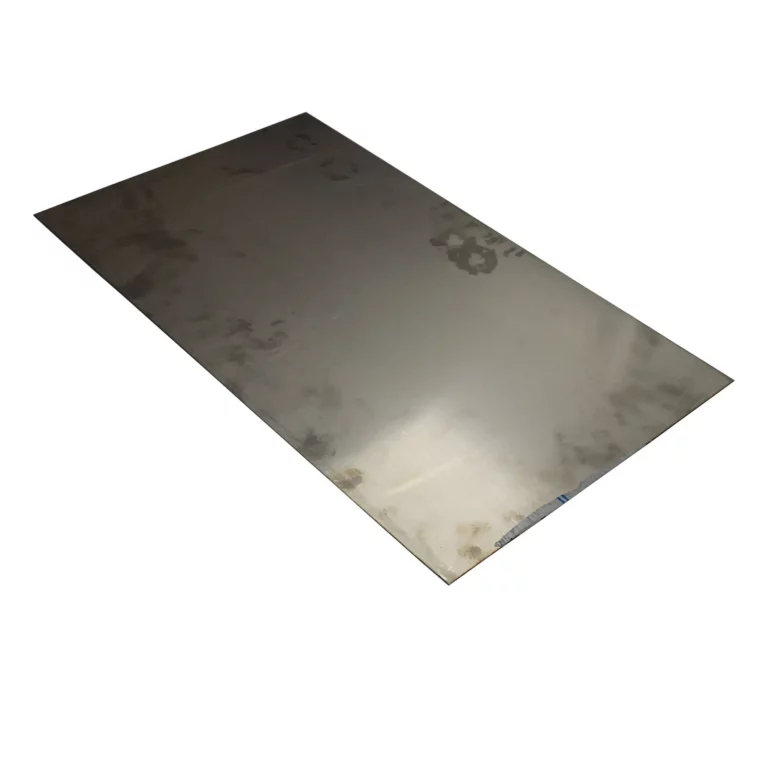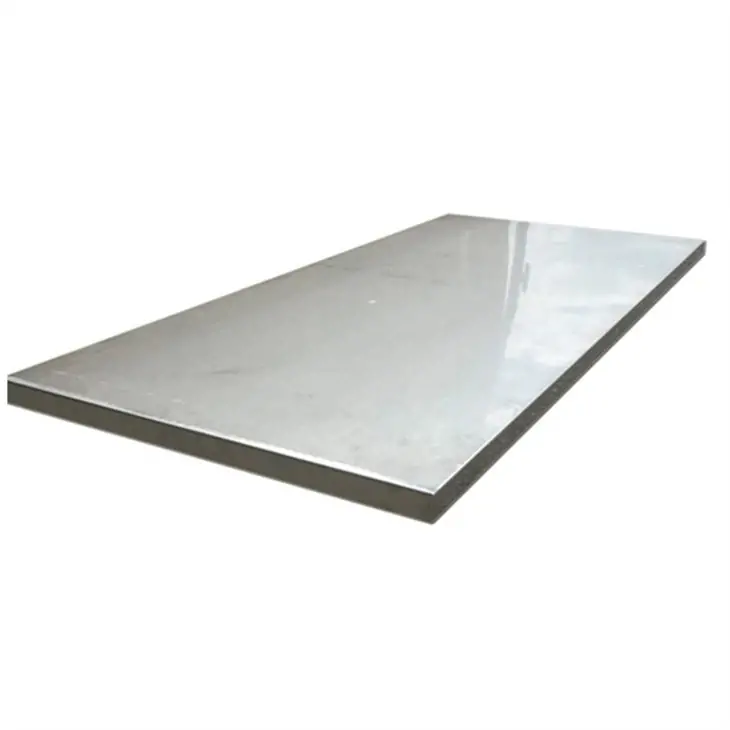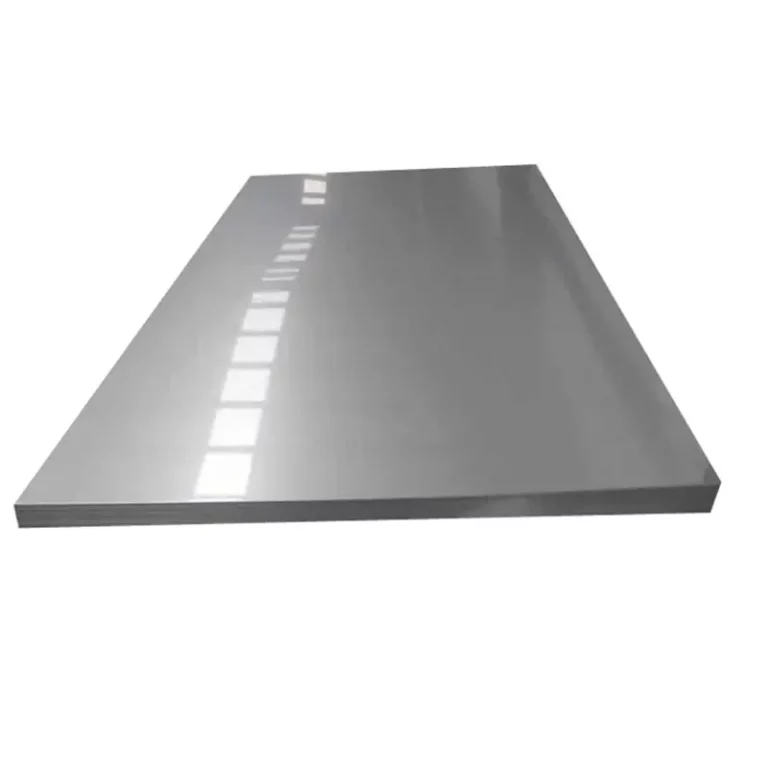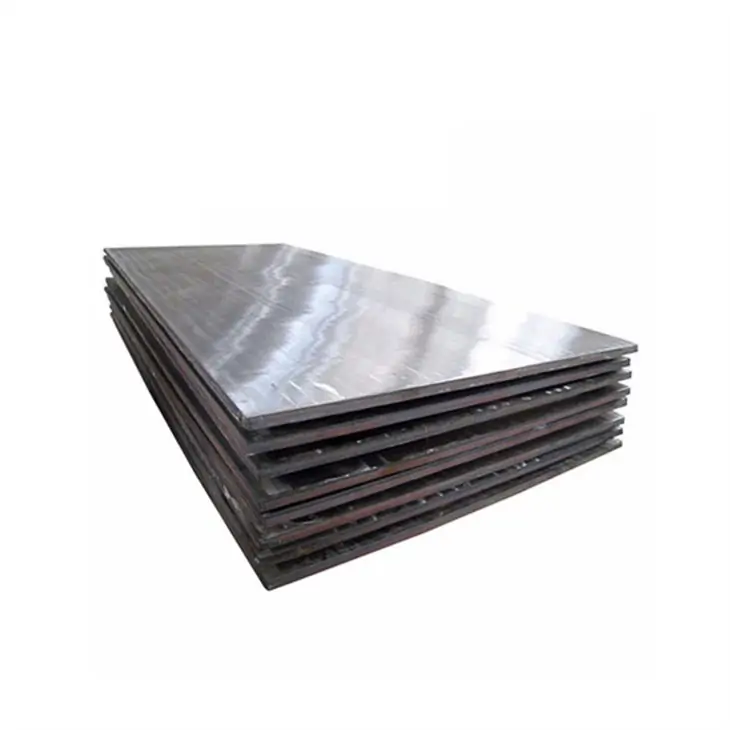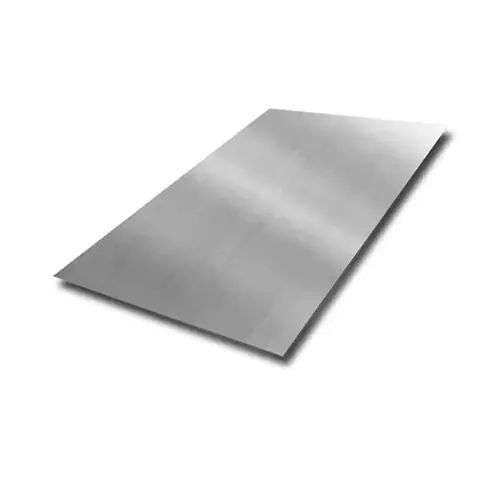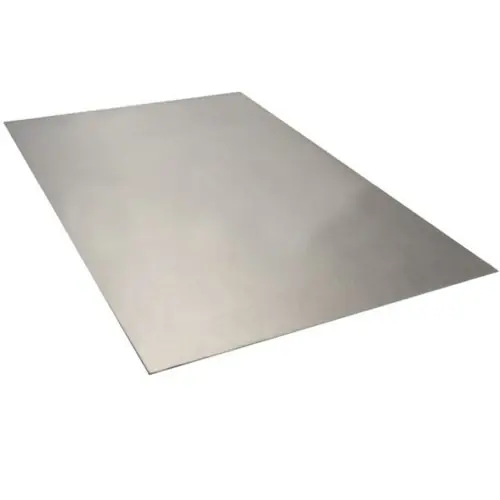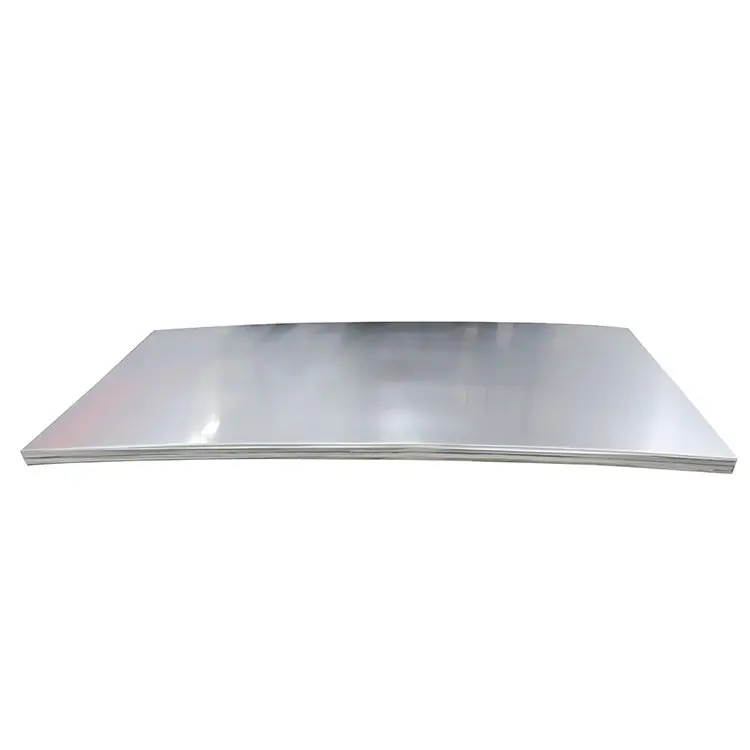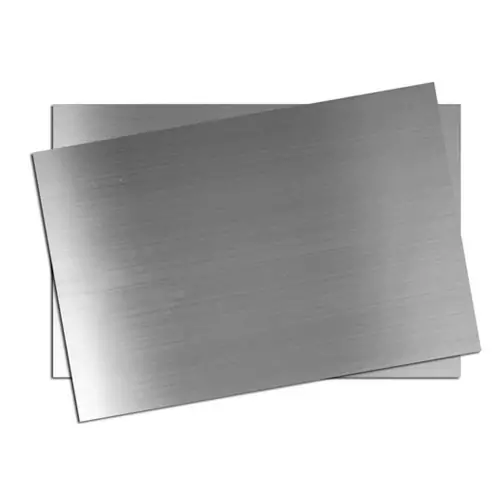
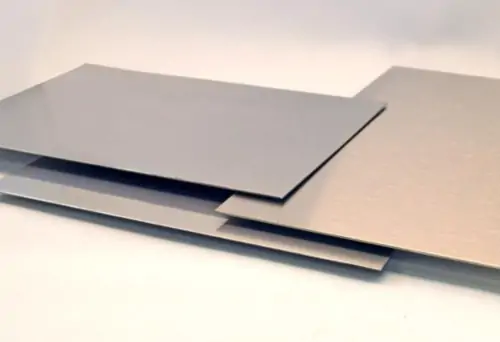
316 Stainless Steel Sheet
About 316 stainless steel sheet
316 stainless steel sheet belongs to the austenitic family of stainless steels and is non-magnetic in the annealed condition. Known as marine grade stainless steel, it is widely chosen for applications in seawater and other highly corrosive environments.
We supply 316 stainless steel sheets in widths ranging from 1 ft to 4 ft (or custom cut) and lengths from 1 ft to 8 ft (or custom cut). All sheets meet international quality standards including ASTM A240 / A480 / A666, ASME SA240, AMS 5524 / 5507, and QQ-S 766.
Key Features
High strength & durability – excellent load-bearing capability and resistance to high-temperature rupture.
Corrosion & oxidation resistance – ideal for harsh marine and atmospheric conditions.
Formability & weldability – easy to fabricate and suitable for complex applications.
Pitting & creep resistance – reliable in challenging chemical and industrial environments.
Applications
Apart from the marine industry, 316 stainless steel sheet is widely used in:
Pharmaceutical & medical equipment
Chemical & petrochemical processing
Pulp & paper industry
Aerospace and textile machinery
Architectural & decorative applications
Food processing equipment
Motors, engines, and machine components
Oil & petroleum refining equipment
Typical products include heat exchangers, chemical containers, laboratory benches, pressure vessels, tanks, valves, pumps, flanges, fittings, threaded fasteners, and boat fittings.
Types of 316 Stainless Steel Sheet
316 Stainless Steel Perforated Sheet
316 Stainless Steel Polished Sheet
316 Embossed Stainless Steel Sheet
316 Stainless Steel Corrugated Sheets
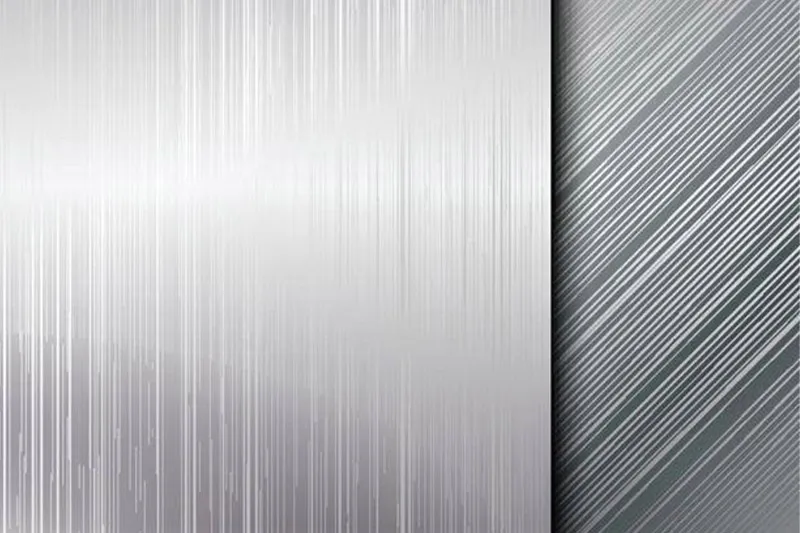
Surface Finishes of 316 Stainless Steel Sheet
316 stainless steel sheets are available in a variety of surface finishes, each offering unique performance and aesthetic qualities:
2B Finish – Smooth, matte, reflective surface achieved by cold rolling, annealing, and pickling. Widely used for industrial and architectural purposes.
No. 4 (Brushed/Satin) Finish – Textured appearance created by mechanical polishing; less reflective than 2B, ideal for decorative use.
BA (Bright Annealed) Finish – Highly reflective, mirror-like surface from annealing in a controlled atmosphere furnace.
Hairline Finish – Fine, consistent, unidirectional polish resembling hairlines; popular for architectural designs.
Mirror Finish – Extremely smooth and reflective surface; used in high-end decorative applications.
Embossed Finish – Raised or recessed patterns produced by mechanical embossing; adds visual and functional texture.
Etched Finish – Chemically or electrolytically etched designs; often used in artistic and decorative projects.
Colored Finish – Achieved through electroplating, PVD (Physical Vapor Deposition), or powder coating for a wide range of hues.
Patterned Finish – Custom textures or designs pressed or embossed for both appearance and performance.
Choosing the right finish depends on application requirements—balancing aesthetics, corrosion resistance, cleanability, and functionality.
316 Stainless Steel Sheet Hardness
Stainless steel hardness is often measured using different scales, with the Rockwell Hardness Scale (HRC) and the Brinell Hardness Scale (HB) being commonly used. Here’s a general idea of the hardness range you can expect for 316 stainless steel:
❶Rockwell Hardness (HRC): The HRC scale measures the indentation hardness of a material. For annealed (softened) 316 stainless steel, the typical HRC hardness range is around 25-30. This indicates relatively low hardness and good machinability.
❷Brinell Hardness (HB): The HB scale measures the hardness of a material through the diameter of an indentation made by a hard steel or carbide ball. For annealed 316 stainless steel, the Brinell hardness typically falls within the range of 149-207 HB.
It’s important to note that the hardness of stainless steel can be modified through heat treatment processes such as annealing (softening) or cold working (increasing hardness). Hardness can also vary across the thickness of a sheet due to differences in processing or cooling rates.
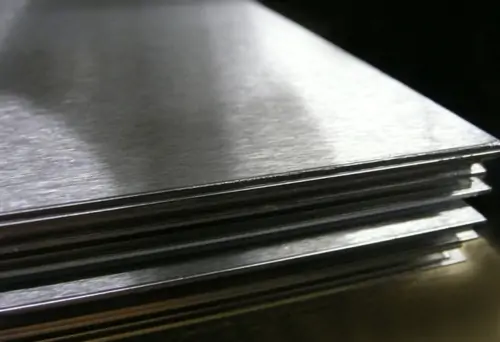
316 Stainless Steel Sheet Thickness
The thickness of a 316 stainless steel sheet can vary from very thin to relatively thick. Here are some common thickness options:
❶Thin Sheets: Thin sheets are generally less than 0.5 millimeters (mm) in thickness. They are often used for applications that require flexibility or where weight is a concern.
❷Medium Thickness: Medium-thickness sheets typically range from 0.5 mm to 3 mm. They are used for a wide range of applications, including fabrication, cladding, and construction.
❸Thicker Sheets: Thicker sheets, usually ranging from 3 mm to 12 mm or more, are used for heavy-duty applications that require higher strength or structural integrity. These could include industrial equipment components and structural elements.
The specific thickness you choose will depend on the requirements of your application. Thinner sheets are more suitable for decorative or lightweight applications, while thicker sheets are used for heavy-duty purposes. It’s important to determine the appropriate thickness based on factors like load-bearing requirements, structural considerations, and the intended use of the stainless steel sheet.
Stainless Steel Sheet Properties
| Tensile Strength | Elasticity | Shearing Strength | Brinell hardness | Density | Yield Strength | Elongation |
| 70,000 psi | 29,000 ksi | 11,500 psi | 217 | .29 lb/in | 34,800 psi | 40% |
What’s the hs code of stainless steel 316 sheet?
The hs code of 316 stainless steel sheet is 7219.32.